All Categories
Featured

PPO vs HMO: Finding the Plan
It's important to comprehend how IUL policies work, considering that they're more intricate than standard long-term life policies. An indexed universal life policy is a type of irreversible life insurance, offering lifelong protection and a death benefit. The crucial distinction between IUL policies and other types of universal life insurance is how the cash worth is invested.
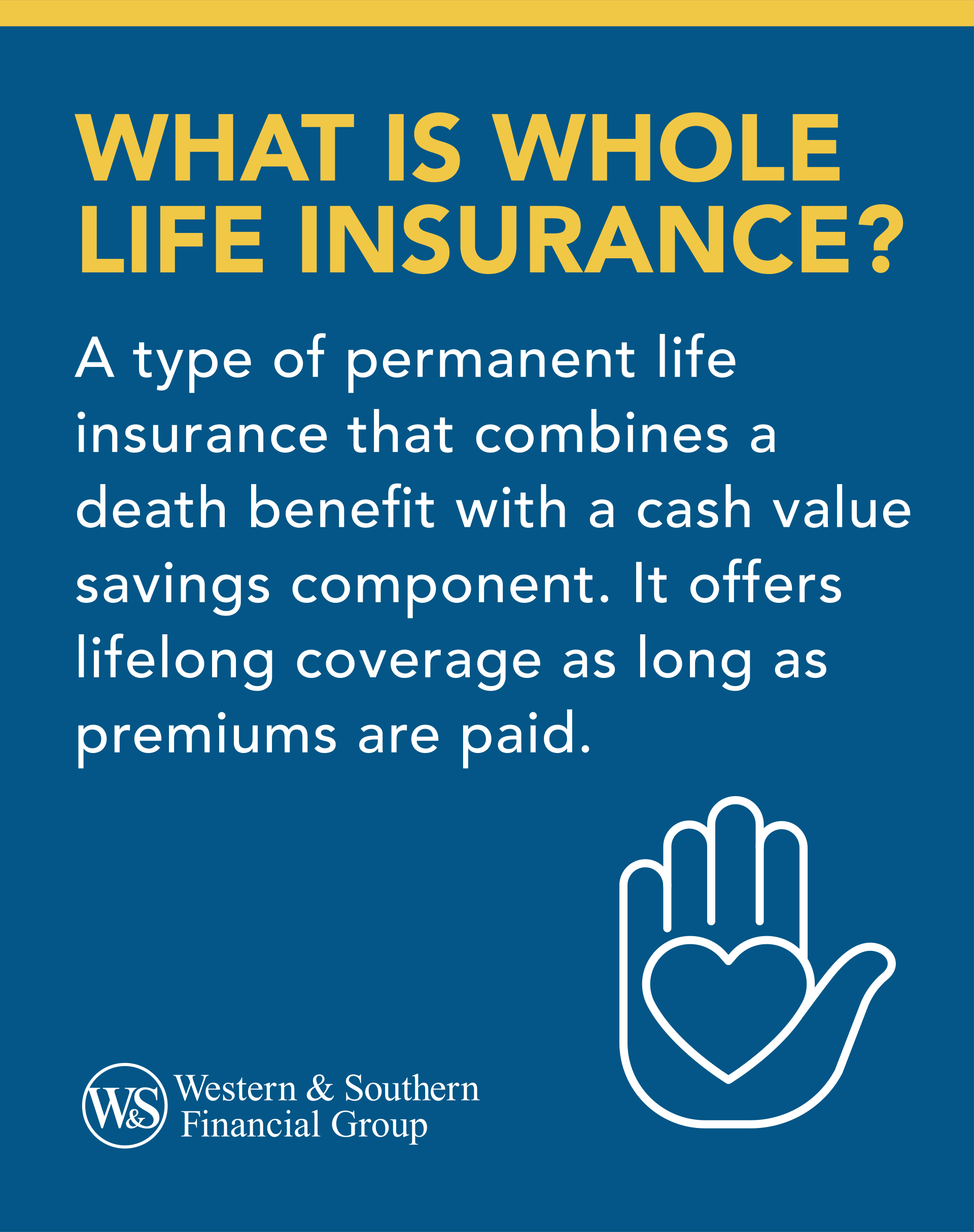
The death advantage is the amount of cash your beneficiary receives after you die. With IUL policies, the death benefit might be decreased by the quantity of any cash value withdrawals or money worth loans you got however didn't repay. This death benefit is normally not taxable for your successors. They both provide protection for life and feature a death benefit and money worth component that grows gradually. Whole life supplies more predictability due to the fact that the premiums and death benefit remain the same, and your cash value grows at a fixed rate that won't decline. You may have lower premiums with less fees compared to an IUL, though you can't adjust
Key Tips for 2026 Medicare Part D Enrollment
premiums or manage the cash value investment. The floor on the indexed part of your money worth secures versus market swings. And since the policy isn't directly invested in the stock exchange, your danger is decreased. You have the alternative of changing your premiums and death benefit while the policy is in force. You can also allocate your money worth to different sub-accounts and potentially choose where the indexed account invests. Your beneficiaries likewise get a survivor benefit that isn't generally subject to earnings or estate taxes. You might withdraw or obtain from your cash worth anytime without penalty. IUL policies don't restrict how much you can contribute each year, allowing you to experience more growth if you wish to contribute more. Caps and maximum involvement rates restrict the quantity of interest you can make in your indexed account. Your insurance coverage company doesn't straight purchase stocks, so you won't take advantage of dividends paid to investors. Insurance provider charge fees for handling your account, which can consume into your cash value. If you withdraw cash that includes investmentgains before your policy matures, you might require to pay earnings taxes on the funds. The cost of an indexed universal life insurance policy varies, depending on factors like your age, where you live, your health and the coverage amount you pick. Generally, indexed universal life insurance policies cost more than term life insurance because they consist of a money value account and never everexpire. According to one quote, a healthy, nonsmoking 34-year-old lady may pay in between$71 and $96 a month for an indexed universal life policy, assuming$250,000 of coverage. The same individual may pay$32 to$44 a month for a term life policy and between $177 and$245 monthly for an entire life policy.
Insurance in Cypress CAThe cost of an indexed universal life insurance policy varies, depending on factors like your age, where you live, your health and the coverage quantity you pick. According to one quote, a healthy, nonsmoking 34-year-old lady may pay in between$71 and $96 a month for an indexed universal life policy, assuming$250,000 of coverage. The same individual may pay$32 to$44 a month for a term life policy and between $177 and$245 per month for an entire life policy.

Latest Posts
Cheap Health Insurance Plans for Families

How Whole Life Insurance Works
Choosing Between PPO Vs HMO Health Plans